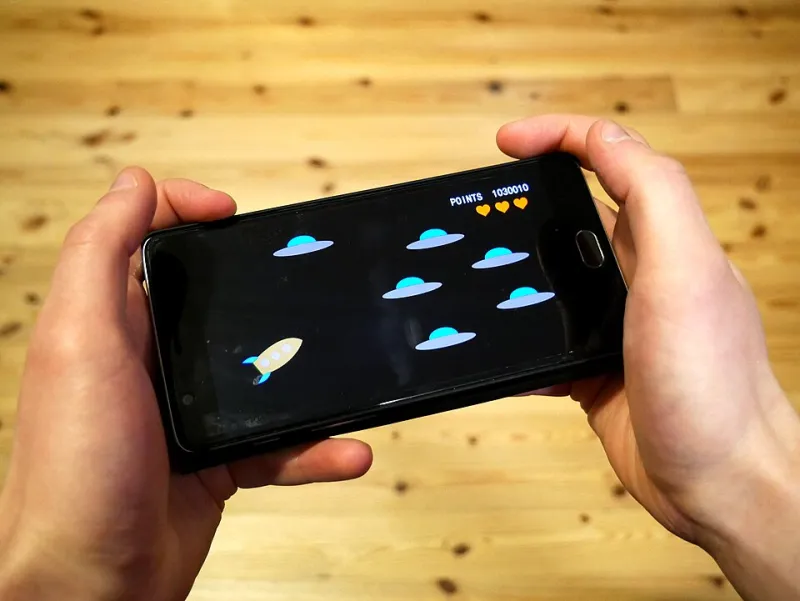
Cashing Out for Good: The Former Gaming Stars Choosing Silence Over Stardom

Photo: blmcalifornia, Public domain, via Wikimedia Commons
The Exit Nobody Talks About
There's a version of the gaming success story everyone knows. The grind, the breakthrough moment, the sponsorships, the fanbase, the money. What gets talked about a lot less is what comes after — specifically, the part where some of the people who built that life decide it's no longer the life they want.
Across the U.S., a quiet but meaningful trend is playing out. Former pro players, streamers with hundreds of thousands of subscribers, and tournament regulars who once made serious money from competition are stepping back voluntarily. Not because they failed. Not because the audience disappeared. Because they chose to leave — and in many cases, they're using their accumulated winnings to build something entirely different.
It's a counterintuitive story in an industry that celebrates scaling up. But the people living it say the decision makes more sense the longer you sit with it.
What Winning Actually Costs
Ask anyone who's been at the top of competitive gaming what the job actually looks like from the inside, and the answers tend to be more complicated than the highlight reels suggest.
Take Marcus, a former top-50 ranked player in a major tactical shooter who competed on the amateur-to-semi-pro circuit out of Chicago for nearly four years. At his peak, he was pulling in low six figures annually between tournament earnings, streaming revenue, and a handful of mid-tier brand deals. From the outside, it looked like the dream.
"I was playing ten, sometimes twelve hours a day," he said. "Not because I loved it that much. Because I was scared to stop. The moment you stop grinding, someone else takes your spot. That fear becomes the thing running your life."
He left at 26. Used his savings to open a specialty coffee roasting business in the suburbs north of Chicago. He still games casually, but he hasn't streamed in over two years.
His story isn't unusual. The specific details change — the game, the city, the exit plan — but the emotional architecture is remarkably consistent across the people who've made this choice.
The Isolation Problem
One of the most recurring themes among former high-earners is how profoundly lonely the job became, even as their audiences grew.
Streaming, in particular, creates a strange inversion of human connection. You can spend eight hours a day talking to thousands of people and still end your night having had zero genuine conversations. Fans know your on-stream persona. They know your catchphrases, your gaming style, your reaction to losing a close match. They don't know what you ate for dinner or whether you've talked to your family this week.
Jordyn, a former variety streamer based in Austin who built a following of over 300,000 at her peak, describes the experience as "performing closeness without actually having it."
"The chat feels like a relationship. It feels warm and real when you're in it. And then you close the stream and you're just alone in your apartment," she said. "I did that for three years. By the end, I genuinely couldn't tell what was real about me and what was the character I'd built for the audience."
She now works in UX design for a mid-size tech company in Texas. She kept a small portion of her streaming income invested and used the rest to pay off her student loans and fund a cross-country move closer to family. She describes the transition as difficult but worth it.
Mental Health and the Money Math
The gaming industry has made genuine progress in talking about mental health — burnout awareness, player wellness programs at major esports orgs, public conversations from high-profile names about anxiety and depression. But the structural incentives that create those problems haven't changed much.
For independent streamers and amateur competitors especially, there's no HR department, no mandated time off, no salary floor. Your income is directly tied to your output, your consistency, and your ability to stay entertaining under pressure, indefinitely. The moment you take a break, the algorithm punishes you. That dynamic doesn't go away because you know it's unhealthy.
Several former players describe a specific tipping point — not a dramatic breakdown, but a quiet moment of clarity. A vacation where they realized they felt better than they had in years. A week away from screens that made coming back feel impossible. A relationship that was suffering in ways they'd been too busy to notice.
"The money was real," said one former fighting game competitor from the Southeast who asked not to be named. "But I was spending it on stuff to make the job bearable — better equipment, energy drinks, a nicer apartment I barely left. I wasn't building anything. I was just maintaining the machine."
Building the After
What's notable about many of the people who've made this transition is that they didn't abandon the skills they built — they redirected them. The discipline, the pattern recognition, the ability to stay calm under competitive pressure, the audience literacy developed through years of streaming — these translate.
Some have moved into content strategy and marketing. Others have started small businesses, leveraging the entrepreneurial instincts that made them effective at building personal brands. A few have gone back to school with savings that made that option realistic in a way it wouldn't have been otherwise.
There's also a growing informal community of ex-pro and ex-streamer founders who stay in loose contact, sharing resources and occasionally collaborating on projects that have nothing to do with gaming. It's a network built on shared experience rather than shared game titles.
The Bigger Conversation
None of this is an argument against competitive gaming or streaming as a career. For the right person, at the right time, with the right support structure, it can be genuinely fulfilling and financially sustainable. The industry is real, the opportunities are real, and the skill ceiling is high enough that excelling at it demands genuine respect.
But the people walking away are pointing at something worth paying attention to. Success in gaming — like success in any high-performance field — comes with costs that aren't always visible from the outside. And for a meaningful number of people who've been there, the honest answer to "was it worth it?" is more complicated than a trophy or a subscriber count can capture.
The wins were real. So was everything they gave up to get them. And for more and more former players, the most strategic move they ever made was knowing exactly when to log off.