Off the Grid and Cashing In: The Secret Economy Hiding Inside the Gaming Industry

Everybody knows the streamer playbook by now. Build an audience, land sponsors, maybe score a merch deal if you're lucky. It's loud, it's public, and for every person making it work, there are ten thousand grinding with nothing to show for it. But here's the thing — that whole visible economy? It's not where the real quiet money lives.
There's a parallel world operating inside the gaming industry, one that doesn't show up on TikTok or get covered in YouTube vlogs. Players are earning serious cash — sometimes pulling in what amounts to a solid side income or even more — through channels that most mainstream gaming coverage never touches. And it turns out, that invisibility isn't accidental.
The Beta Testing Gig That Pays More Than You'd Think
Game publishers spend millions developing titles before a single player ever loads the opening screen. To protect that investment, they need real humans stress-testing builds, hunting edge cases, and reporting friction points that internal QA teams miss. Enter the closed beta tester ecosystem.
These aren't the public beta invites you sign up for on a game's official website. Those are marketing moves dressed up as testing. The paid version is different — structured, contractual, and often buried behind NDAs that make participants legally obligated to stay quiet.
Players who land these gigs typically find them through industry connections, specialized freelance platforms that cater specifically to QA work, or direct outreach to studios after building a credible feedback reputation on smaller projects. Compensation varies wildly, but structured testing contracts — especially for major publishers — can run anywhere from a few hundred dollars for short sprints to several thousand for extended playtesting cycles on high-profile releases.
Why keep it quiet? Publishers don't want competitors knowing what's in development. They also don't want testers becoming informal spokespeople for unfinished products. The NDA isn't just legal cover — it's a filter that keeps the pool small and the participants accountable.
Closed Tournaments: The Invite-Only Circuit Nobody Advertises
Open tournaments get the coverage. They've got brackets, streaming setups, and prize pools that make headlines. But alongside that public-facing competitive scene, there's a circuit of closed, invite-only competitions that most casual players will never encounter.
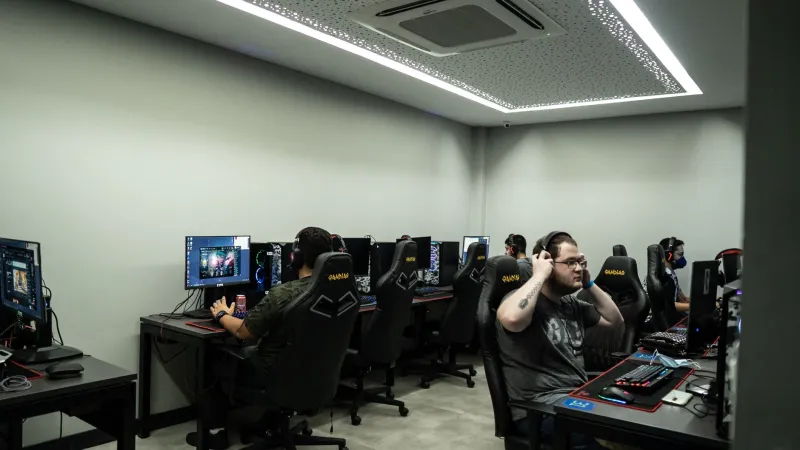
These events get organized in a few different ways. Some are run directly by publishers as internal skill showcases that double as marketing research — they want to know how elite players interact with their game at a competitive level. Others are hosted by private gaming communities, high-end gaming lounges, or regional organizations that deliberately cap participation to maintain quality and exclusivity.
Prize structures in these closed events can be substantial. Because overhead is lower (no public-facing production costs, no broadcast infrastructure), organizers can funnel more of the budget directly into payouts. A closed regional tournament for a popular title might offer $10,000 to $50,000 in prizes distributed across a small field, meaning individual players have a much better shot at walking away with meaningful money than they would in a massive open event.
Access is almost entirely relationship-driven. Players get pulled in through competitive networks, coaching circles, or direct recruitment by organizers who've watched their ranked performance. There's no application form. There's no public announcement. You either know someone, or you don't get in.
Research Panels and Playtesting Labs: The Corporate Side of the Hustle
Game publishers and platform companies run ongoing research programs that most players have zero awareness of. User experience research, interface testing, monetization feedback panels — these are real, paid engagements that companies use to make product decisions worth millions of dollars.
Participants in these programs might spend a few hours playing through a build and answering structured questions, or they might be part of longer longitudinal studies tracking how their habits evolve over weeks. Compensation ranges from gift cards for quick sessions to hourly rates that rival professional consulting for extended research relationships.
The catch? Recruitment usually happens through existing customer databases, gaming community partnerships, or specialized research recruitment firms. Companies aren't advertising these opportunities publicly because they'd rather work with players who already have a documented relationship with their platform — people whose behavior data is already in the system.
For players trying to break in, the path typically involves opting into research communications on platform settings pages (most people never do this), joining gaming community groups that have established relationships with research teams, or registering with UX research platforms that work with gaming clients.
Why Publishers Keep the Curtain Drawn
It's worth stepping back and asking the obvious question: if these opportunities exist, why doesn't the industry just... talk about them?
The answer is layered. Part of it is competitive sensitivity — publishers don't want rivals knowing their development timelines or research priorities. Part of it is quality control — flooding these programs with unvetted applicants degrades the value of the feedback. And part of it, frankly, is leverage.
When access to a well-paying gig is scarce and non-public, the people who have it tend to be more invested in keeping their spot. A paid beta tester who knows they're one of fifty people in the program is going to take that NDA seriously. A participant in an exclusive tournament is going to show up prepared and perform at their best. Scarcity creates accountability in ways that open programs simply can't replicate.
There's also a PR calculation at play. If publishers widely advertised that players could earn $50K or more through unofficial channels connected to their games, it would raise uncomfortable questions about why those same publishers aren't routing more value through their official partner programs. Keeping these economies quiet protects existing structures.
How Players Are Actually Breaking Through
For anyone looking to tap into this world, the honest answer is that there's no shortcut that bypasses relationship-building. The players earning consistently through these channels have almost universally spent time becoming known quantities in specific communities — competitive Discord servers, regional gaming scenes, genre-specific forums where industry people actually show up.
Skill documentation matters too. Maintaining a ranked profile, contributing thoughtful feedback in public beta programs (even unpaid ones), and building a reputation for structured, useful critique of games you play positions you as someone worth bringing into a paid context.
It's slower than going viral. It's less flashy than streaming. But for players who'd rather keep their heads down and actually get paid, the off-grid economy has room for people willing to find the door and knock on it correctly.
The money's there. It's just not waiting on a public leaderboard.