Sponsored Lies: The Gear Gap Between What Pro Gamers Pitch and What They Actually Plug In
Every time a top-tier esports player posts a glowing review of their "go-to" headset or their "game-changing" mouse, millions of fans take notes. They save up. They buy in. They trust the endorsement because, hey — if it's good enough for a world-class competitor, it's good enough for a ranked grind on a Tuesday night.
But here's the thing nobody's saying loudly enough: a significant chunk of those endorsements are theater.
Talk to anyone who's spent serious time inside the esports ecosystem — coaches, equipment managers, even a few players willing to speak off the record — and you'll start to hear the same story told in different ways. The gear in the promo video and the gear in the tournament booth often aren't the same thing. Sometimes they're not even close.
The Sponsorship Math Doesn't Add Up
Let's back up. Gear sponsorships are one of the most reliable revenue streams in competitive gaming. A mid-tier peripheral brand can pay anywhere from $50,000 to several hundred thousand dollars annually to have a recognizable player rep their products. For bigger names, those numbers climb well into the seven-figure range when you factor in appearance fees, social content requirements, and co-branded merch.
The problem is that sponsorship deals are negotiated on brand value, not necessarily on product performance. A company wants a face. They want someone with a million followers to hold up their mouse and say it feels incredible. Whether that player actually uses the mouse at a $500,000 LAN event is, contractually speaking, often a gray area.
Most sponsorship contracts specify promotional obligations — posts, appearances, interviews — but enforcement around actual in-competition usage is notoriously loose. Some contracts do include language requiring players to use sponsored gear during official matches, but verifying compliance is a logistical headache that most organizations don't prioritize.
The Franken-Setup Problem
Here's where it gets genuinely interesting from a competitive standpoint. Pro players are obsessive about their setups in ways that casual fans rarely appreciate. The difference between a mouse with 400 DPI and one tuned to 800 DPI with a specific sensor model can feel enormous at the highest levels of play. Milliseconds matter. So do grams, click actuation force, and cable drag.
So what happens when a player's sponsored headset has a slightly different audio profile than the one they trained on for two years? Or when their contract mouse has a sensor that doesn't track perfectly on the mousepad they prefer?
They adapt — quietly.
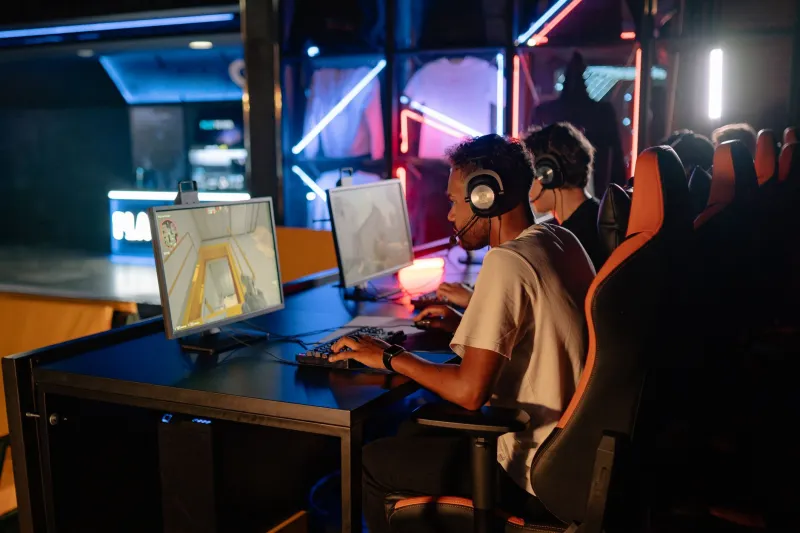
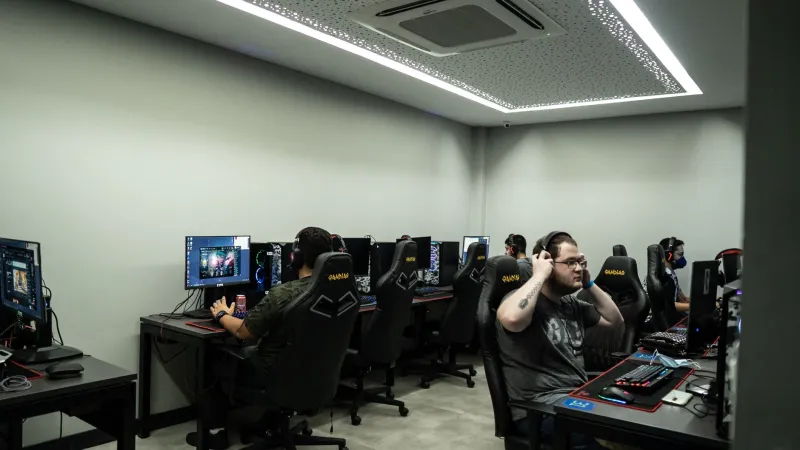
Inside team facilities, there's a cottage industry of what insiders sometimes call "Franken-setups": gear that's been modified, swapped, or hybrid-assembled to meet competitive needs while still technically nodding to sponsor requirements. A sponsored headset shell might house entirely different internal drivers. A branded mouse might have its feet swapped out for aftermarket glide pads. Some players keep a sponsor-approved visual setup for cameras and stream overlays while running a different device through a secondary USB port during actual play.
This isn't fringe behavior. Multiple equipment managers at North American orgs — speaking anonymously because, obviously — have described it as routine.
The Camera Angle Trick
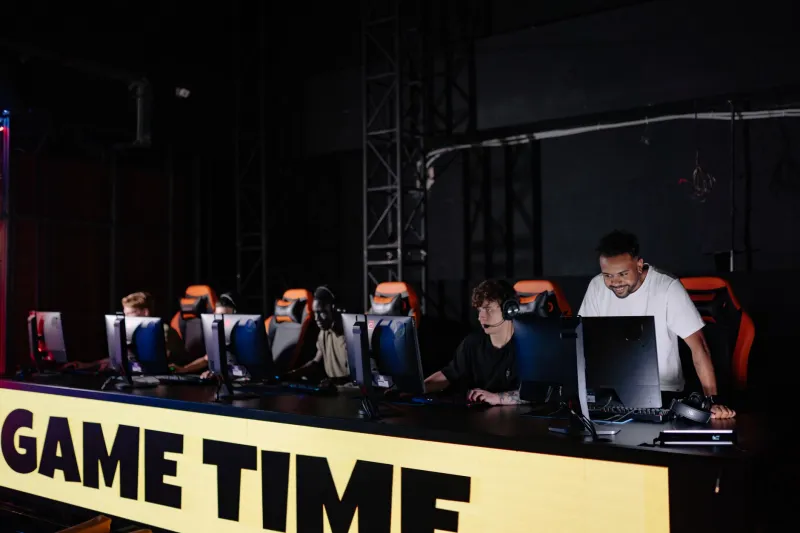
Broadcasters and tournament organizers are, perhaps unsurprisingly, not in the business of auditing peripheral authenticity. Tournament cameras are positioned for drama and player reactions, not for capturing the exact model number on a headset or verifying which USB cable is plugged into which port.
Savvy teams exploit this gap deliberately. A player might wear their sponsored headset during pre-match introductions and on-camera interviews, then swap to a different pair during actual gameplay when the broadcast focus shifts to the game feed. It's a small sleight of hand, but in a world where brand deals depend on perceived authenticity, it's a meaningful one.
Some players are more brazen about it. Footage from behind-the-scenes tournament content — the kind that gets posted to team YouTube channels or leaked on Discord — occasionally catches competitors with gear that doesn't match their listed sponsorships. The response from brands, when noticed at all, tends to be a quiet conversation rather than a public confrontation. Nobody wants to blow up a lucrative relationship over a headset.
Why Brands Let It Slide
This is the part of the equation that often gets overlooked. Peripheral brands aren't naive. Their marketing teams watch tournament streams. Their reps are often on-site at major events. They know.
But here's the uncomfortable truth: the endorsement value doesn't actually require the player to use the product competitively. It requires the player to be associated with the product. The Instagram post drives the sales. The YouTube unboxing drives the sales. A player winning a tournament while secretly using a different mouse? That doesn't move units either way, because the audience doesn't know.
What brands are really buying is cultural cachet and social reach. As long as that pipeline stays intact, many are willing to look the other way on what's actually plugged in during crunch time.
What This Means for Regular Players
If you're an everyday gamer trying to optimize your setup based on what the pros are pushing, this matters more than you might think. The gear ecosystem around competitive gaming is a multi-billion dollar market in the US alone, and a massive portion of consumer purchasing decisions are driven by professional endorsements.
When those endorsements are performative rather than genuine, the downstream effect is real money spent on products that may not represent the actual competitive standard. You're not buying what the pros use. You're buying what the pros are paid to say they use.
That's not to say the sponsored products are bad — many are genuinely solid peripherals. But the implied promise of "this is what the best players in the world rely on when it counts" is, in a surprising number of cases, marketing fiction.
The Quiet Push for Transparency
There are voices within the esports community pushing back. A handful of content creators have built followings specifically around gear authenticity — documenting what players are actually running versus what their sponsor pages list. Some tournament organizers have floated the idea of mandatory gear verification at major events, though nothing binding has been implemented at scale in the US market.
A few players have also started being more candid in long-form interviews and stream Q&As, acknowledging that their sponsored gear isn't always their personal preference while stopping short of naming specific substitutions. It's a careful dance, but it suggests the culture around gear honesty is slowly shifting.
For now, though, the gap between the pitch and the plug-in remains wide — and largely invisible to the millions of players making purchasing decisions based on a promo photo.
Next time your favorite pro holds up a shiny new peripheral and calls it a game-changer, it might be worth asking: game-changing for who, exactly?